Seasonal & Festive Thanksgiving Herb Stuffed Turkey
Highlighted under: Festive Delights Co.
I absolutely love preparing the perfect turkey for Thanksgiving, and this Seasonal & Festive Herb Stuffed Turkey has become a staple in my celebrations. Each bite is filled with a vibrant blend of herbs and flavors that truly elevate the dish. Cooking turkey can be intimidating, but with the right preparation and seasoning, it can turn out juicy and delicious every time. Over the years, I’ve perfected my method to ensure the stuffing is moist and flavorful, which is the secret to making your turkey a spectacular centerpiece that everyone will remember.
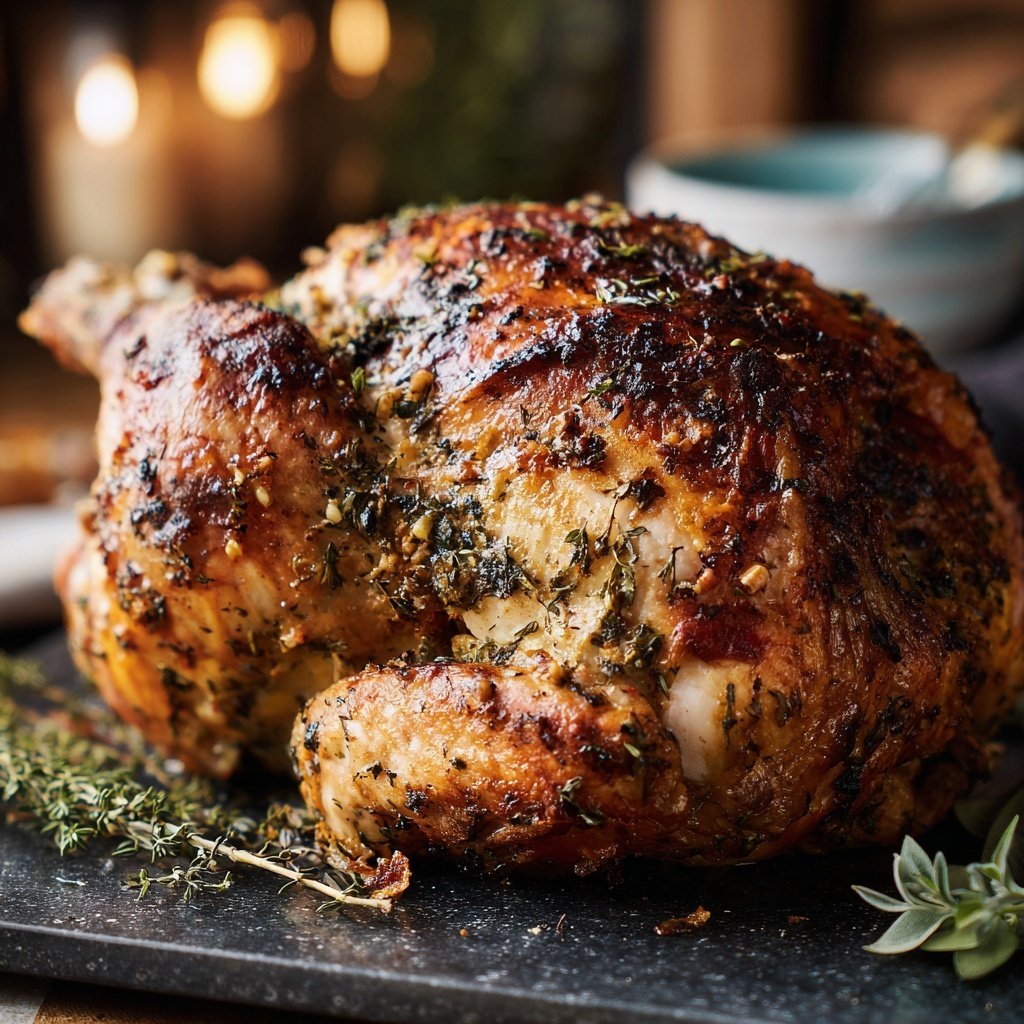
When I decided to take my Thanksgiving meal to the next level, I experimented with various stuffing recipes, and this herb combination truly stood out. The fresh herbs blend seamlessly into the moist turkey meat, while also infusing the pan drippings with great flavor for gravy. I recommend using a mixture of thyme, rosemary, and sage for the stuffing, as this trio balances beautifully and has become my go-to combination for holiday cooking.
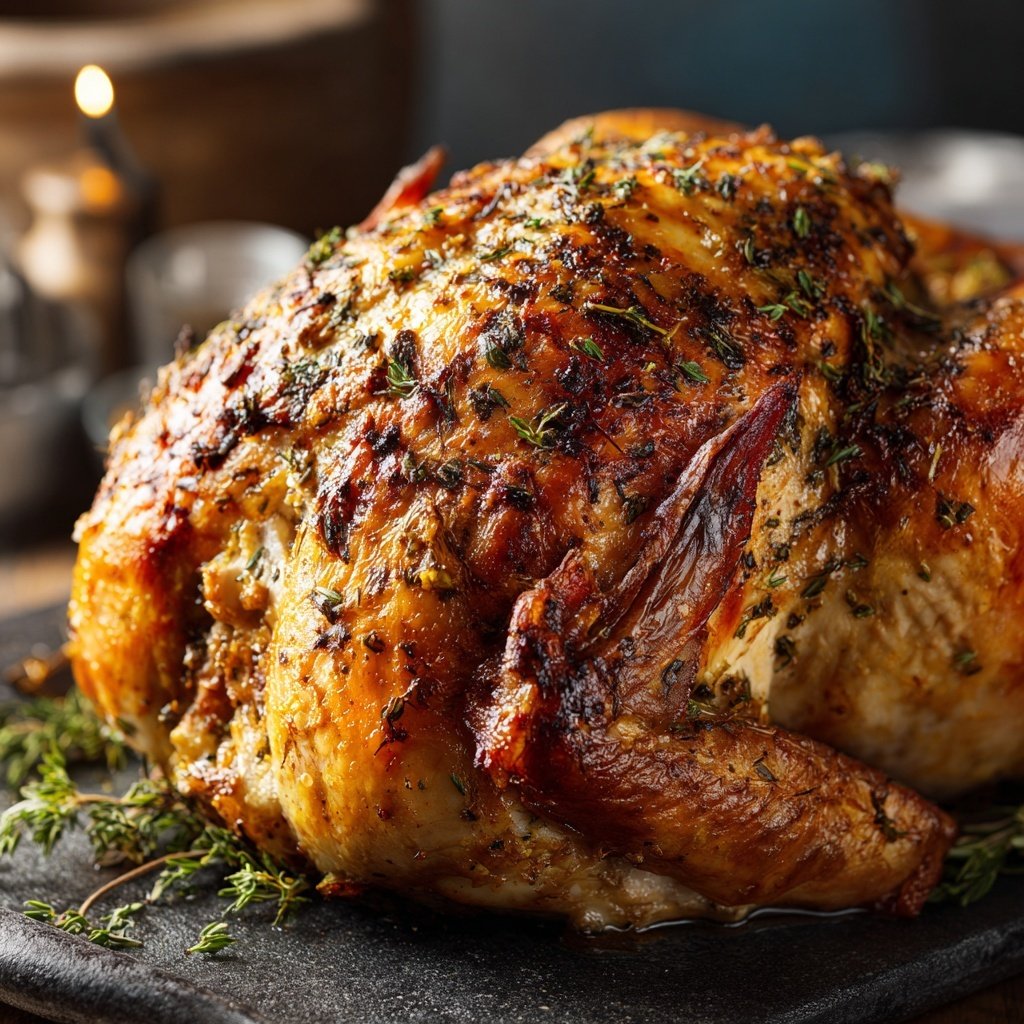
One tip I discovered is to start cooking the turkey at a higher temperature to get that initial crispy skin, then reduce the heat to let it finish roasting slowly. This method helps maintain moisture while achieving a beautiful golden brown finish. Every time I employ this technique, the feedback from family and friends is always overwhelming—there's nothing like a well-cooked turkey on Thanksgiving!
Why You'll Love This Recipe
- A delightful medley of fresh herbs elevating traditional turkey flavors.
- Juicy, tender meat that remains moist throughout the roasting process.
- A crowd-pleaser perfect for festive gatherings and memorable holiday meals.
The Importance of Fresh Herbs
Using fresh herbs in your stuffing is key to achieving that vibrant and aromatic flavor that enhances the turkey. Fresh thyme, rosemary, and sage each bring distinct notes: thyme offers an earthy depth, rosemary adds a piney brightness, and sage provides a warm, slightly peppery kick. I recommend purchasing these herbs just a few days before your Thanksgiving celebration for maximum freshness, ensuring their flavors are potent when mixed with the other stuffing ingredients.
If fresh herbs are not available, consider using high-quality dried herbs as a substitute, but keep in mind that dried herbs are more concentrated. Use about one-third of the amount recommended for fresh herbs. To unlock their flavors, allow them to toast briefly with the sautéed vegetables before combining them with the bread. This technique helps release their essential oils, ensuring your stuffing is aromatic and delicious.
Perfecting Your Cooking Technique
When cooking your turkey, achieving the ideal balance between a crispy, golden skin and juicy meat is essential. Starting the roasting process at a high temperature sears the skin, locking in moisture. After 30 minutes at 450°F, reducing the temperature to 325°F allows for even cooking throughout the meat without drying it out. I find that using a meat thermometer is invaluable; aim for an internal temperature of 165°F for perfectly cooked turkey, measured at the thickest part of the thigh without touching the bone.
If you notice the skin browning too quickly, loosely tent the turkey with aluminum foil to prevent burning while it continues to cook. This will help shield the skin while keeping the meat moist. Furthermore, basting every 30–45 minutes with the pan juices keeps the turkey succulent and adds an extra layer of flavor. Just be cautious not to open the oven door too often, as this can lower the temperature and increase cooking time.
Post-Roasting Tips
Allowing your turkey to rest after roasting is critical for a juicy final product. Letting it rest for at least 20 minutes before carving allows the juices to redistribute throughout the meat, resulting in slices that are moist and flavorful. Cover the turkey loosely with foil during this time to retain warmth but avoid steaming, which can make the skin soggy.
For serving, consider pairing your herb stuffed turkey with a range of sides that complement its flavors, such as roasted vegetables, garlic mashed potatoes, or cranberry sauce. Each of these dishes enhances the meal's overall experience, bringing out the herbs and seasonings used throughout the turkey. If you have leftovers, slice any remaining turkey and store it in an airtight container; it can be enjoyed in sandwiches or salads for days to come.
Ingredients
For the Turkey
- 1 whole turkey (12-14 pounds)
- 2 tablespoons olive oil
- Salt and pepper, to taste
For the Stuffing
- 1 loaf of stale bread, cubed
- 1 cup onion, finely chopped
- 1 cup celery, finely chopped
- 1/2 cup butter
- 1 tablespoon fresh thyme, chopped
- 1 tablespoon fresh rosemary, chopped
- 1 tablespoon fresh sage, chopped
- 2 cups chicken broth
- Salt and pepper, to taste
Instructions
Instructions
Prepare the turkey
Preheat your oven to 450°F (232°C). Remove the turkey giblets and pat the turkey dry with paper towels. Rub the olive oil all over the turkey and season generously with salt and pepper.
Make the stuffing
In a skillet, melt the butter and sauté the onion and celery until soft. In a large bowl, combine the sautéed vegetables with the bread cubes, herbs, chicken broth, and salt and pepper. Mix until the bread is well-coated.
Stuff the turkey
Gently stuff the turkey cavity with the herb stuffing. Be careful not to overpack, as the stuffing will expand while cooking. Tie the legs together with kitchen twine.
Roast the turkey
Place the turkey on a roasting pan and roast in the oven for 30 minutes at 450°F, then reduce the heat to 325°F (163°C) and continue cooking for about 2 hours, or until the internal temperature reaches 165°F (74°C).
Rest and serve
Remove the turkey from the oven and let it rest for at least 20 minutes before carving. Serve with your favorite sides and enjoy!
Enjoy Your Meal!
Pro Tips
- Always allow your turkey to rest before carving to ensure the juices redistribute, resulting in a perfectly moist turkey.
Make-Ahead Suggestions
Preparing your stuffing a day in advance can significantly reduce stress on Thanksgiving day. After you've cooked and cooled the stuffing completely, store it in the refrigerator in an airtight container for up to 24 hours. Just don’t stuff the turkey until you are ready to roast it; stuffing it too early could lead to moisture loss and an unevenly cooked turkey.
You can also prep the turkey by seasoning it the night before. After drying it, apply the olive oil, salt, and pepper, and store it in the fridge uncovered. This dry brining method enhances flavor and improves texture without the hassle of wet brining. Just remember to pull it out of the fridge about an hour before roasting to bring it closer to room temperature.
Storing and Reheating Leftovers
If you find yourself with leftover turkey, it’s best to store it in meal-sized portions in airtight containers. Properly stored, cooked turkey can last in the refrigerator for up to four days. For longer storage, consider freezing the turkey; it can be kept in the freezer for up to three months. To prevent freezer burn, wrap the turkey tightly in plastic wrap before placing it in a freezer-safe container or bag.
When reheating, aim to do so low and slow in the oven at around 325°F. Add a bit of broth to the container and cover it with foil to keep it moist. Heat just until warmed through, approximately 20-30 minutes depending on the size of the portion. Avoid using the microwave as it can dry out the meat and create uneven heating.
Questions About Recipes
→ What type of turkey is best for roasting?
A fresh, free-range turkey often yields the best flavor and texture.
→ Can I prepare the stuffing ahead of time?
Yes, you can prepare the stuffing the day before and refrigerate it. Just be sure to stuff the turkey right before roasting.
→ How can I tell when the turkey is done cooking?
Use a meat thermometer to check that the internal temperature reaches 165°F (74°C) in the thickest part of the thigh.
→ What should I do with leftovers?
Leftover turkey can be stored in the fridge for up to 4 days or frozen for up to 3 months. Use it in soups, sandwiches, or salads!
Seasonal & Festive Thanksgiving Herb Stuffed Turkey
Created by: Elara Whitfield
Recipe Type: Festive Delights Co.
Skill Level: Intermediate
Final Quantity: 6-8 servings
What You'll Need
For the Turkey
- 1 whole turkey (12-14 pounds)
- 2 tablespoons olive oil
- Salt and pepper, to taste
For the Stuffing
- 1 loaf of stale bread, cubed
- 1 cup onion, finely chopped
- 1 cup celery, finely chopped
- 1/2 cup butter
- 1 tablespoon fresh thyme, chopped
- 1 tablespoon fresh rosemary, chopped
- 1 tablespoon fresh sage, chopped
- 2 cups chicken broth
- Salt and pepper, to taste
How-To Steps
Preheat your oven to 450°F (232°C). Remove the turkey giblets and pat the turkey dry with paper towels. Rub the olive oil all over the turkey and season generously with salt and pepper.
In a skillet, melt the butter and sauté the onion and celery until soft. In a large bowl, combine the sautéed vegetables with the bread cubes, herbs, chicken broth, and salt and pepper. Mix until the bread is well-coated.
Gently stuff the turkey cavity with the herb stuffing. Be careful not to overpack, as the stuffing will expand while cooking. Tie the legs together with kitchen twine.
Place the turkey on a roasting pan and roast in the oven for 30 minutes at 450°F, then reduce the heat to 325°F (163°C) and continue cooking for about 2 hours, or until the internal temperature reaches 165°F (74°C).
Remove the turkey from the oven and let it rest for at least 20 minutes before carving. Serve with your favorite sides and enjoy!
Extra Tips
- Always allow your turkey to rest before carving to ensure the juices redistribute, resulting in a perfectly moist turkey.
Nutritional Breakdown (Per Serving)
- Calories: 380 kcal
- Total Fat: 26g
- Saturated Fat: 15g
- Cholesterol: 195mg
- Sodium: 85mg
- Total Carbohydrates: 32g
- Dietary Fiber: 3g
- Sugars: 24g
- Protein: 6g