Creamy Cauliflower Alfredo Pasta
Highlighted under: Lightly Delicious
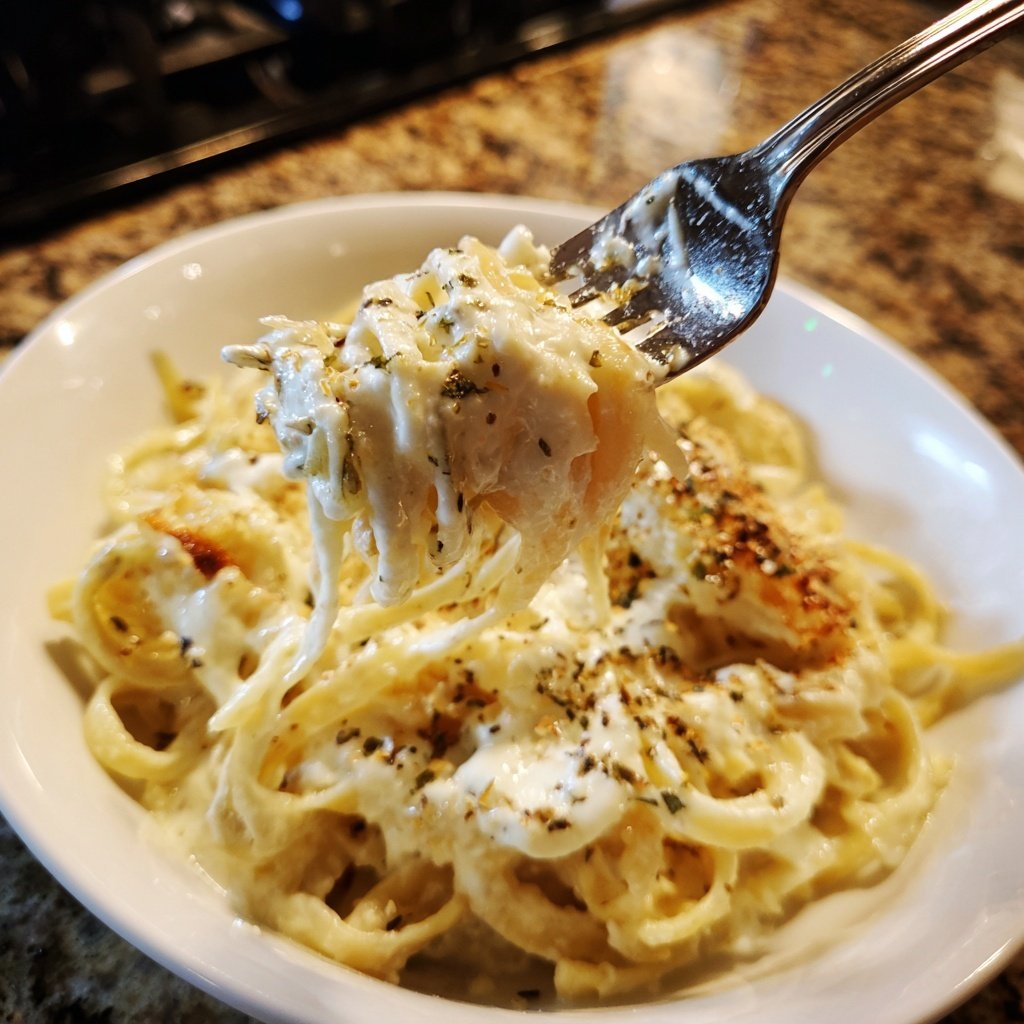
I can never resist a creamy pasta dish, especially one that’s so comforting yet healthy like this Creamy Cauliflower Alfredo Pasta. It’s amazing how blending cauliflower creates a rich, velvety sauce that coats the pasta beautifully. I love that I can enjoy a classic Alfredo without the guilt of heavy cream. Plus, it comes together in mere minutes, making it a perfect weeknight dinner or a cozy meal on a chilly evening. Trust me, once you make this, it’ll become a go-to recipe in your kitchen!
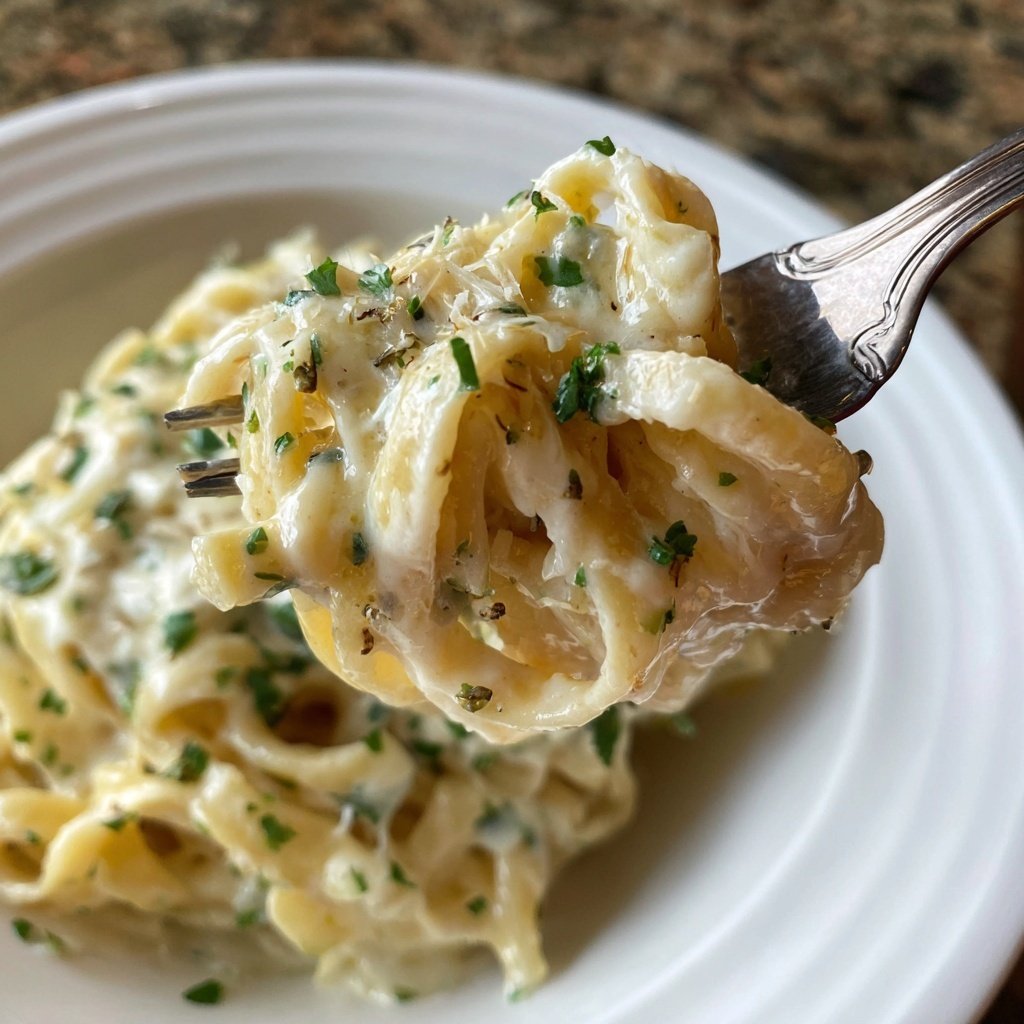
When I first decided to make this creamy cauliflower Alfredo pasta, I was skeptical about how well the cauliflower would mimic traditional creaminess. To my delight, the simple combination of boiled cauliflower, garlic, and a touch of nutmeg created a sauce that was not only deeply satisfying but also nutritious. I used a bit of reserved pasta water to help adjust the consistency, and it worked wonders in making the sauce cling to the noodles.
From that point on, I knew I had stumbled upon a winner. Each bite reveals the rich flavor of cauliflower and garlic, giving a wonderful depth that’s hard to resist. For extra flair, I garnished it with fresh parsley and a sprinkle of parmesan cheese, elevating the dish to a restaurant-quality experience right at home. You’ll be amazed at how simple ingredients can create something so decadent!
Why You Will Love This Recipe
- Silky and creamy texture without heavy cream
- Nutritious, packed with vitamins from cauliflower
- Quick and easy to make, perfect for busy weeknights
The Benefits of Cauliflower
Cauliflower is the star of this Alfredo sauce, and it brings plenty of health benefits to the table. Rich in vitamins C and K, it boosts your immune system while promoting healthy bones. Additionally, cauliflower is low in calories and high in fiber, making it an excellent addition to a balanced diet. As it cooks, the cauliflower becomes tender and slightly sweet, which enhances the overall flavor of the sauce. This makes it a fantastic base for creamy dishes without the guilt of traditional heavy creams.
In this recipe, the cauliflower's unique ability to absorb flavors becomes crucial. When simmered with garlic and vegetable broth, it takes on a savory depth that transcends its humble origins. I often recommend using fresh cauliflower for the best texture and flavor, but frozen cauliflower can also work in a pinch. Just be mindful to adjust the cooking time accordingly, as frozen pieces may take a little longer to become tender.
Pasta and Sauce Harmony
The choice of pasta can dramatically influence the final dish. While fettuccine is traditional for Alfredo, feel free to experiment with whole wheat, gluten-free, or even vegetable-based pasta varieties. If you’re using a thicker pasta, such as pappardelle, consider increasing the moisture in the sauce slightly with more reserved pasta water. This helps the sauce adhere better and ensures every bite is creamy and flavorful.
When combining the cooked pasta with the cauliflower sauce, take care to do this off the heat. This prevents the sauce from overcooking and losing its glossy finish. Gradually adding the reserved pasta water allows you to control the sauce's thickness, ensuring it clings perfectly to the pasta. The right consistency should be creamy yet pourable, reminiscent of a classic Alfredo sauce, making each forkful a delight.
Serving Suggestions and Variations
To elevate your Creamy Cauliflower Alfredo Pasta, consider adding sautéed vegetables like spinach, peas, or mushrooms for extra nutrition and flavor. These additions not only enhance the dish visually but also create a lovely contrast in textures. For a protein boost, grilled chicken or crispy chickpeas can be excellent toppings. Just ensure they are cooked separately to avoid steaming during the pasta preparation process.
This dish is delicious on its own, but if you enjoy experimenting, you can infuse the sauce with additional flavors. A bit of lemon zest or a touch of red pepper flakes can add a refreshing zing or subtle heat, respectively. Alternatively, a sprinkle of nutritional yeast can provide a cheesy flavor without dairy, perfect for plant-based eaters. The options are endless, allowing you to personalize the dish to suit your taste!
Ingredients
For the Sauce
- 1 medium head of cauliflower, chopped
- 2 cloves garlic, minced
- 1 cup vegetable broth
- 1 tablespoon olive oil
- Salt and pepper to taste
- 1/4 teaspoon nutmeg
For the Pasta
- 12 ounces fettuccine or your favorite pasta
- Parmesan cheese, for serving
- Fresh parsley, chopped, for garnish
Instructions
Cook the Pasta
In a large pot of boiling salted water, cook the pasta according to package instructions. Reserve 1 cup of the pasta water and drain the pasta.
Prepare the Cauliflower Sauce
In a medium saucepan, combine chopped cauliflower, garlic, and vegetable broth. Bring to a simmer and cook until the cauliflower is tender, about 10 minutes.
Blend the Sauce
Using an immersion blender or a regular blender, puree the cauliflower mixture until smooth. Add olive oil, salt, pepper, and nutmeg, blending until creamy.
Combine Pasta and Sauce
In the pot used for pasta, combine the cooked pasta with the cauliflower sauce. Gradually add reserved pasta water until desired consistency is reached.
Serve
Divide the pasta into bowls, topping with grated Parmesan cheese and fresh parsley. Enjoy!
Pro Tips
- For an extra kick, consider adding some crushed red pepper flakes or a squeeze of lemon juice to brighten up the flavors. You can also substitute the pasta with zucchini noodles for a low-carb option!
Make-Ahead Tips
If you want to simplify your weeknight dinner prep, consider making the cauliflower sauce ahead of time. It can be stored in an airtight container in the refrigerator for up to three days. When you’re ready to serve, just reheat it gently over low heat, adding a splash of vegetable broth or reserved pasta water to revive its creamy texture. This way, all you've got left to do is cook the pasta, and you’ll have a comforting meal ready in just minutes.
For longer storage, the cauliflower sauce freezes exceptionally well. Allow it to cool completely before transferring it to a freezer-safe container. It can last up to three months in the freezer. Thaw it overnight in the refrigerator before reheating. This method is perfect for busy weeks—just prepare a larger batch to enjoy throughout the month!
Troubleshooting Your Sauce
If your cauliflower sauce turns out grainy or too thick, don’t fret! Graininess can occur if the cauliflower isn’t blended finely enough; simply blend it longer or strain it through a fine mesh sieve to achieve a super smooth texture. Similarly, if your sauce is too thick, gradually add more reserved pasta water or a splash of vegetable broth to create the perfect creaminess. Always taste for seasoning and adjust with additional salt, pepper, or nutmeg as needed.
Another common issue is the sauce separating. This typically happens if the heat is too high while reheating. Always reheat your sauce gently over low heat, stirring continuously to keep it emulsified. If separation does occur, a quick blend with an immersion blender can bring it back together beautifully.
Questions About Recipes
→ Can I use frozen cauliflower instead of fresh?
Yes, frozen cauliflower works great as a convenience option! Just steam it until tender before blending.
→ Is this recipe vegan?
Absolutely! Just omit the Parmesan cheese or use a dairy-free alternative.
→ How can I store leftovers?
Store any leftovers in an airtight container in the refrigerator for up to 3 days. Reheat on the stovetop with a splash of water or broth.
→ Can I add protein to this dish?
Definitely! Grilled chicken, shrimp, or chickpeas make excellent additions for extra protein.
Creamy Cauliflower Alfredo Pasta
Created by: Elara Whitfield
Recipe Type: Lightly Delicious
Skill Level: Beginner
Final Quantity: 4 servings
What You'll Need
For the Sauce
- 1 medium head of cauliflower, chopped
- 2 cloves garlic, minced
- 1 cup vegetable broth
- 1 tablespoon olive oil
- Salt and pepper to taste
- 1/4 teaspoon nutmeg
For the Pasta
- 12 ounces fettuccine or your favorite pasta
- Parmesan cheese, for serving
- Fresh parsley, chopped, for garnish
How-To Steps
In a large pot of boiling salted water, cook the pasta according to package instructions. Reserve 1 cup of the pasta water and drain the pasta.
In a medium saucepan, combine chopped cauliflower, garlic, and vegetable broth. Bring to a simmer and cook until the cauliflower is tender, about 10 minutes.
Using an immersion blender or a regular blender, puree the cauliflower mixture until smooth. Add olive oil, salt, pepper, and nutmeg, blending until creamy.
In the pot used for pasta, combine the cooked pasta with the cauliflower sauce. Gradually add reserved pasta water until desired consistency is reached.
Divide the pasta into bowls, topping with grated Parmesan cheese and fresh parsley. Enjoy!
Extra Tips
- For an extra kick, consider adding some crushed red pepper flakes or a squeeze of lemon juice to brighten up the flavors. You can also substitute the pasta with zucchini noodles for a low-carb option!
Nutritional Breakdown (Per Serving)
- Calories: 350 kcal
- Total Fat: 10g
- Saturated Fat: 1.5g
- Cholesterol: 0mg
- Sodium: 180mg
- Total Carbohydrates: 55g
- Dietary Fiber: 8g
- Sugars: 4g
- Protein: 12g